
Cristofori’s piano let the fingers control loudness
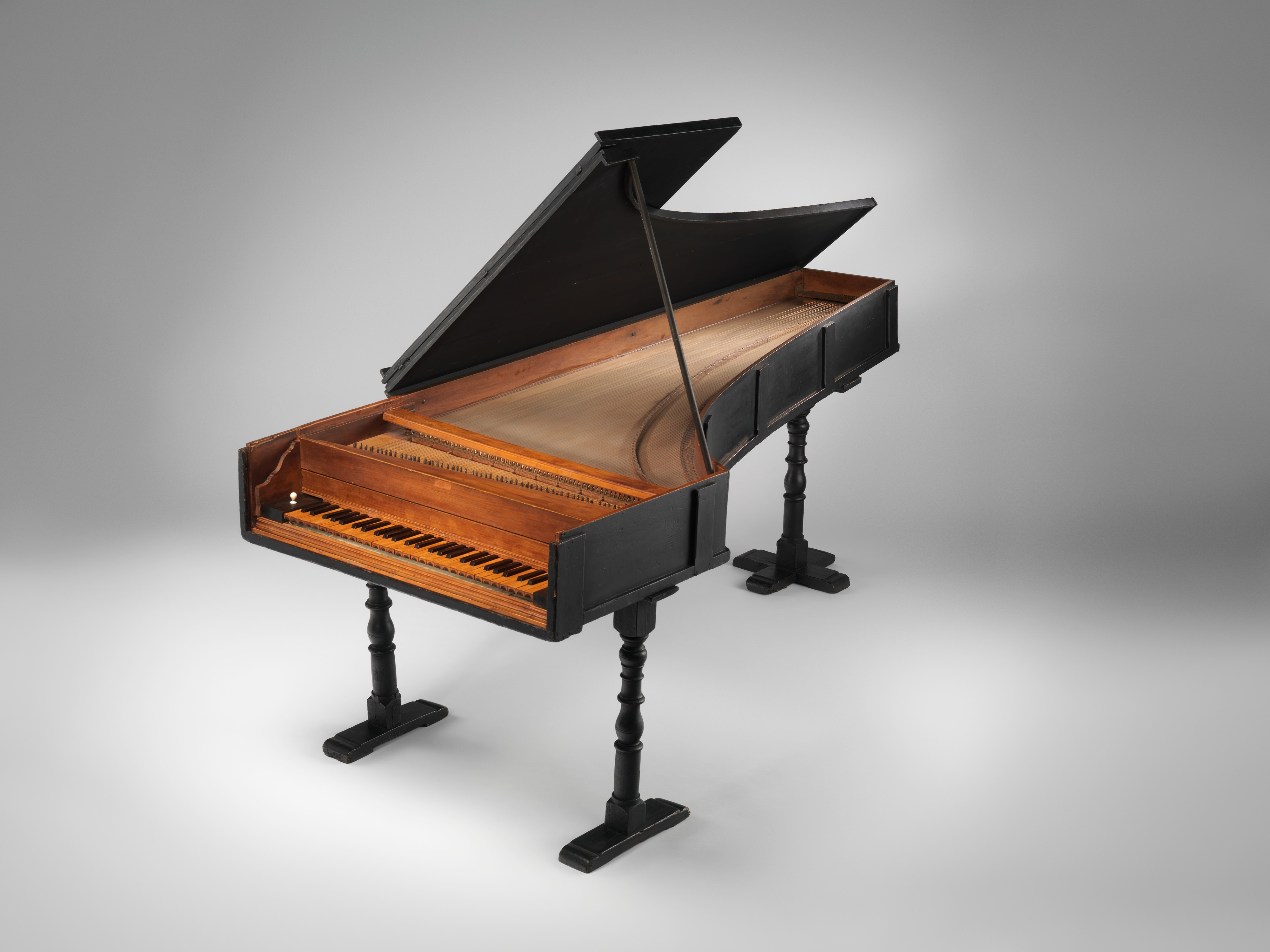
A harpsichord plucks a string; a piano strikes it with a hammer. That mechanical distinction gave Bartolomeo Cristofori’s piano more than a different timbre. It let the player vary the loudness of a note through the way the key was struck. The same pitch could receive a different emphasis each time.
The Metropolitan Museum of Art preserves a piano Cristofori built in Florence in 1720, the oldest of his three surviving pianos. Its 54 keys and absence of pedals make its distance from a modern concert grand immediately visible. Yet counting keys misses a separate question: how much control does the player have over each one?
Met curator Jayson Kerr Dobney compares the new expressive possibility with a singer’s voice and a violinist’s bow. The point is not that these instruments sound alike. It is that a performer can shape a phrase by making one note stronger and another gentler. A harpsichord player has expressive choices too, but pressing a key harder does not provide this same control of dynamics.
“It’s very responsive,” says curator Bradley Strauchen-Scherer of the Cristofori. Her description directs attention away from the instrument’s age and towards its response to a player. A larger range and a more sensitive response to touch are different kinds of musical possibility; the first does not measure the second.
In the official Met video linked here, Dongsok Shin plays Domenico Scarlatti’s Sonata K. 9 on the surviving instrument, not a replica. Follow the emphasis he gives the melody, rather than treating the recording only as a sample of an antique sound. The date tells us how old the piano is. The player reveals what it can still say.
Source: The Metropolitan Museum of Art ↗